
2026-07-12
Optimism or Caution? Leading High-Performing Teams Through AI
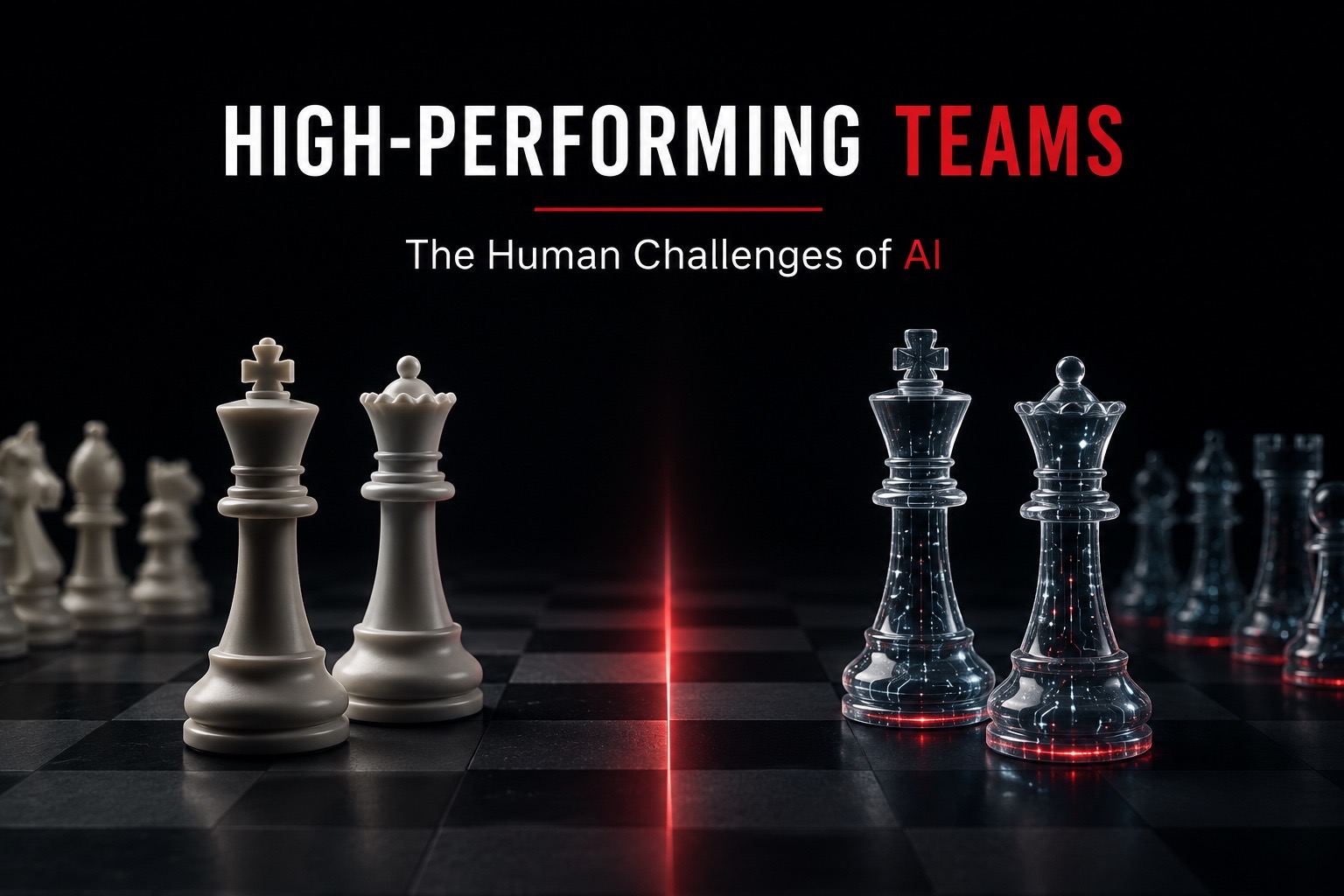
Over the past few weeks, I’ve come across numerous interviews with technology leaders, including well-known CEOs such as Jeff Bezos.
Many of them share a reassuring message: AI is a powerful tool that will augment human capabilities, improve productivity, and create new opportunities rather than simply replace people.
At the same time, Geoffrey Hinton—often referred to as the “Godfather of AI”—has expressed a very different perspective. After decades of pioneering AI research, he publicly warned that artificial intelligence is advancing faster than society’s ability to fully understand and govern it. His decision to leave Google reflected ethical concerns about the pace of this transformation.
As leaders, we are exposed to both narratives every day.
One encourages optimism.
The other calls for caution.
Neither can be ignored.
For those leading high-performing teams, the real challenge is no longer understanding AI itself. It is leading people through uncertainty.
The questions I hear most often are rarely technical:
Can I trust AI-generated insights?
How fast should we move without compromising quality?
Who is accountable when AI gets it wrong?
How do we encourage experimentation without creating fear?
In my experience, high-performing teams don’t struggle because they lack technology.
They struggle when trust, governance, and ownership fail to evolve as quickly as the technology itself.
As leaders, our responsibility is not only to introduce AI into our organizations.
It is to create an environment where people know when to trust it, when to challenge it, and ultimately, who remains accountable for every decision.
Because in the age of AI, competitive advantage will not belong to the organizations with the most powerful tools.
It will belong to the organizations with the strongest leadership.